Contemporary Program
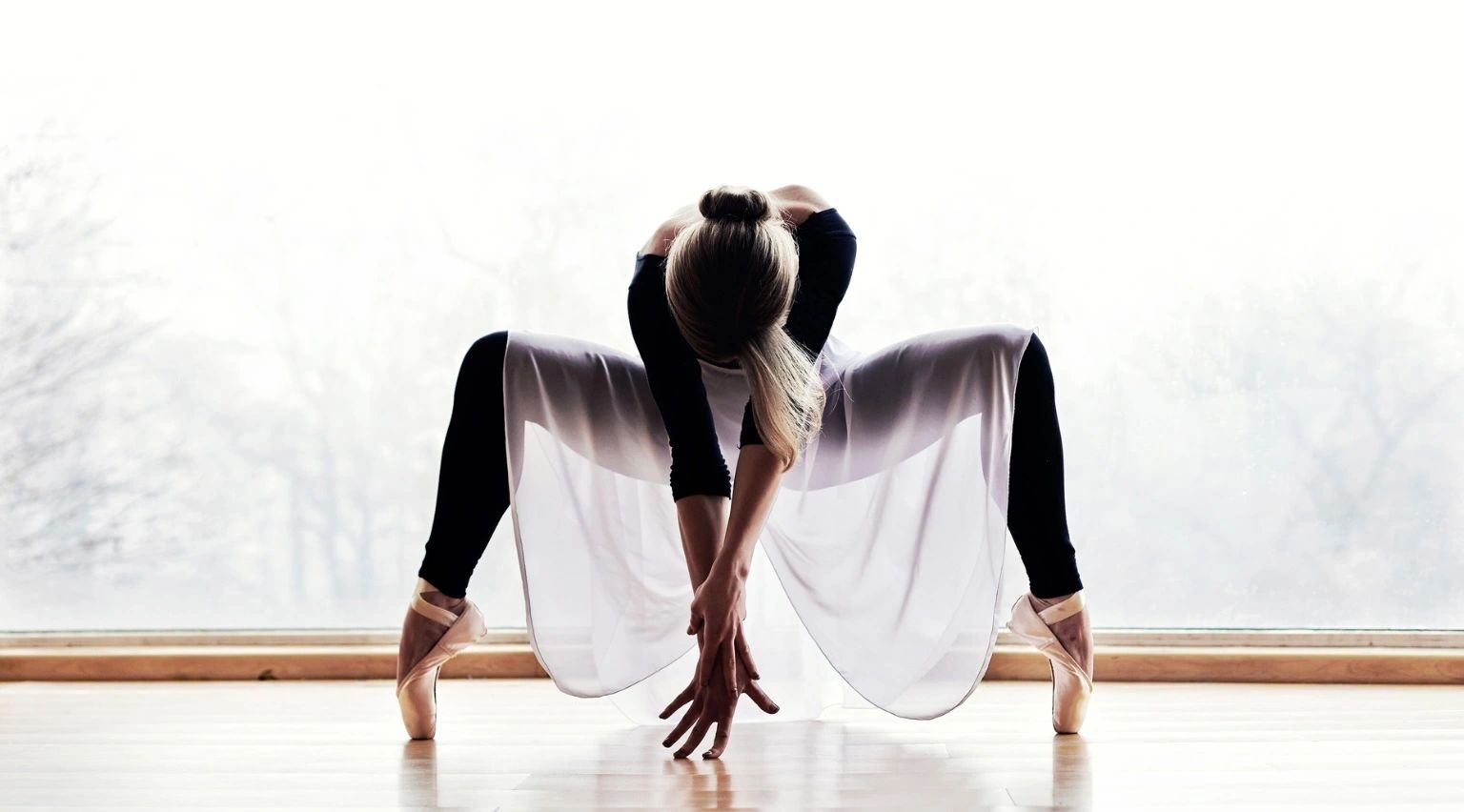
Contemporary ballet utilizes elements and techniques from other styles of ballet—classical, romantic, and neoclassical—and combines them with improvisation and freer movements to create a style that’s expressive and nontraditional. Classical Movement Collective offers contemporary training for ages 7 and up.
Discover the Magic of Contemporary
What is Contemporary Ballet?
Contemporary ballet is a style of dance that meshes classical ballet with modern roots to create movements that are more expressive and less rigid in form than classical ballet. Contemporary ballet dancers often begin learning classical ballet techniques and then build up their range of movements and styles with additional training in modern dance and modern ballet techniques.
The History of Contemporary Ballet
Contemporary ballet is an art form that evolved from several hundred years of ballet technique and draws on elements of classical and neoclassical ballet.
-
Fifteenth to twentieth century: The dance form we know today as classical ballet began as dances among nobility in European royal courts. It became a well-established dance style as ballet schools opened up in Paris, and then later across Europe and Russia. Ballet dancers learned standardized classical techniques, which included posture, ballet positions, and exacting choreography. In the nineteenth century, barre work also became an essential part of training for ballet dancers. Professional ballet companies, such as the Bolshoi Ballet and Paris Opera Ballet, began staging productions of now well-known ballets, including Swan Lake, The Nutcracker, and Sleeping Beauty.
-
Nineteenth century: The first half of the nineteenth century saw the rise of romantic ballet. Moody style and elaborate costumes became a focal point. It was during this period that flowing tulle skirts and tutus were introduced, partly as a way to give the women a more ethereal look on stage with the illusion that they were weightless and floating. The introduction of a standard pointe shoe allowed dancers to support their body weight on the tips of their feet to further enhance the dancers’ fairy-like appearance on stage.
-
Early twentieth century: In the 1920s, choreographer George Balanchine is credited with creating neoclassical ballet, a predecessor to contemporary ballet. The elements that defined neoclassical ballet were in part a rejection of the formal costumes and large stage scenery so prevalent in romantic ballet, and the style pioneered many elements that would be important to contemporary ballet. In a neoclassical ballet, dancers wear minimalist costumes, sometimes just leotards, and the focus is on the dancer’s movements, not the stage production. It was during this era that the American Ballet Theatre, a repertory ballet company based in New York City, was founded.
-
Late twentieth century: In the early 1980s, Balanchine’s neoclassical ballet gave way to an even more modern form—contemporary ballet. Instead of following a strict classical style, dancers mixed classical ballet techniques with contemporary dance techniques, including modern dance. While classical ballet is characterized by fluid, graceful movements and an emphasis on the long lines of a ballerina’s body, in contemporary ballet, dancers make freer, larger movements and emphasize improvisation alongside traditional choreography.
Studio Policy Regarding Contemporary
While participation in contemporary class is not a requirement for enrollment, the Artistic Director highly recommends that students cross train in contemporary ballet in order to broaden their development, while training in a manner that will make dancers more relevant in the evolving dance industry.
